
English 
T: +86-15990630008
E: info@chinahdm.com
E: info@chinahdm.com
Industrial zone, Binhai, Jiaojiang, Taizhou, Zhejiang, China


Views: 224 Author: Site Editor Publish Time: 2025-12-23 Origin: Site


Key Features That Define JIC Hose Fittings as the Industry Standard
Why JIC Fittings Remain a Popular Choice in Modern Hydraulics
JIC (Joint Industry Council) hose fittings have earned a prominent position in the world of American hydraulics. These fittings are not only synonymous with reliability but also serve as an essential part of a vast range of hydraulic systems. Their ability to withstand high pressure, high temperature, and a variety of fluids makes JIC hose fittings a preferred choice in industries requiring robust hydraulic components. This article delves into the key features that make JIC hose fittings the standard in American hydraulics, examining their evolution, performance, and why they continue to dominate the market.
Hydraulic systems are integral to the operation of various machinery and equipment across industries like construction, aerospace, automotive, and manufacturing. As a core component in hydraulic circuits, JIC hose fittings play a critical role in ensuring that these systems operate smoothly. These fittings provide secure connections between hoses, tubes, and pipes, offering leak-proof seals that withstand intense pressure and harsh environments.
The JIC hose fitting standard was developed to ensure universal compatibility across the hydraulic industry. Their design allows for quick assembly and disassembly without compromising safety. This has made them a favorite in high-stakes industries where reliability and efficiency are paramount.
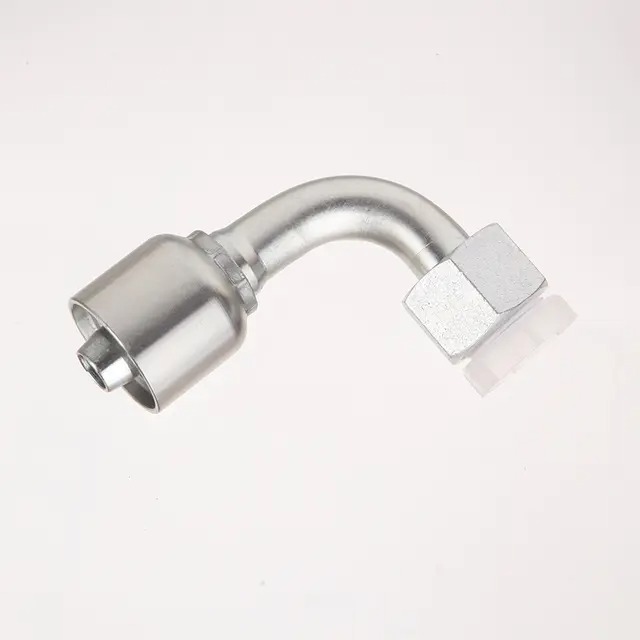
The introduction of JIC hose fittings marked a significant evolution in the design and functionality of hydraulic systems. Prior to their establishment, many systems used less standardized fittings that were prone to leakage and compatibility issues. JIC hose fittings, designed with a 37-degree flare, provided a solution to these challenges. This unique design improved the pressure-resistance capabilities and the durability of hydraulic systems.
Over time, these fittings have evolved to meet the needs of high-performance applications, including those involving high-pressure, high-temperature, and chemically aggressive environments. The continued development of JIC hose fittings reflects the growing demands of hydraulic industries for more reliable and versatile solutions.
One of the primary reasons JIC hose fittings have become the go-to choice in American hydraulics is their exceptional strength in high-pressure environments. These fittings are engineered to handle extreme pressure without compromising integrity, which is crucial in hydraulic applications where pressure can reach several thousand psi (pounds per square inch).
The 37-degree flare design used in JIC hose fittings provides a mechanical seal that resists vibration and shock, making them ideal for high-pressure hydraulic systems. Whether the system is powering machinery on a construction site or controlling fluid flow in an aircraft, the dependability of JIC fittings ensures that operations remain smooth and safe.
Another defining feature of JIC hose fittings is their versatility. These fittings are designed to be compatible with a wide range of hydraulic systems across different industries. The ability to easily connect with other components—such as hoses, valves, and pumps—ensures a high degree of flexibility in system design and maintenance.
Since the JIC hose fitting standard is widely accepted across the industry, it eliminates the need for custom fittings and allows for faster replacements or repairs. This level of compatibility and ease of installation contributes to reduced downtime and improved operational efficiency.
Stainless steel is a common material used in the construction of JIC hose fittings, and for good reason. It enhances the strength, corrosion resistance, and longevity of the fitting. Hydraulic systems are often exposed to moisture, chemicals, and abrasive environments, which can accelerate wear and tear on other materials. Stainless steel's natural resistance to rust and corrosion ensures that JIC hose fittings continue to perform optimally, even in challenging conditions.
Furthermore, stainless steel JIC fittings are not only durable but also highly versatile. They can withstand a wide range of temperatures, from extremely high to very low, making them suitable for both high-pressure and high-temperature applications. In industries where exposure to harsh conditions is a norm, stainless steel JIC hose fittings provide a reliable and long-lasting solution.
The ability to perform under extreme temperature conditions is another crucial factor that sets JIC hose fittings apart. Hydraulic systems are often subjected to high temperatures, especially in industries like aerospace and manufacturing, where high-temperature fluids are used. The 37-degree flare design ensures that the fitting maintains a secure seal under thermal expansion, preventing leaks and failures.
The use of materials such as stainless steel and specialized PTFE liners ensures that JIC fittings can withstand temperatures exceeding 250°F (121°C), depending on the specific material used. This high temperature resistance is a significant advantage when compared to other types of fittings, which may not be able to handle such extreme conditions without degrading.
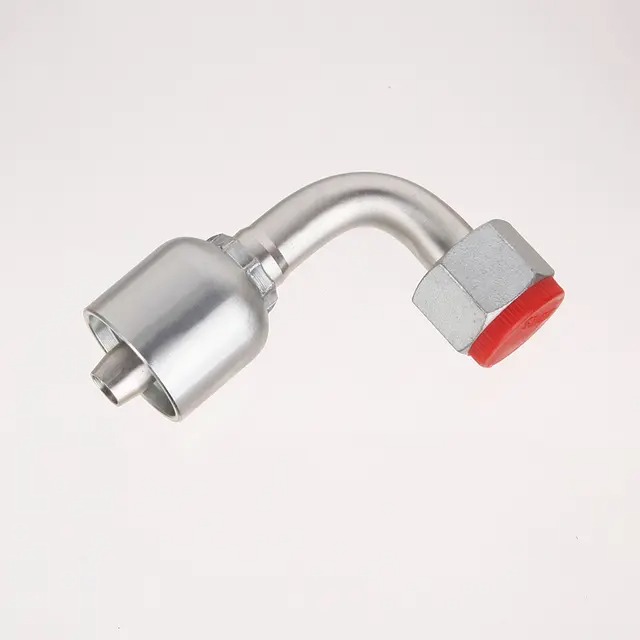
Polymer linings, particularly PTFE (polytetrafluoroethylene) liners, are often integrated into JIC hose fittings to enhance performance. PTFE liners offer exceptional chemical resistance, low friction, and high thermal stability, making them ideal for systems dealing with corrosive fluids or demanding environmental conditions.
The presence of PTFE liners in JIC hose fittings significantly improves their ability to prevent leakage, even in the most aggressive hydraulic systems. This is particularly beneficial for systems using fluids that would otherwise degrade other materials, such as hydraulic oils, solvents, and acids. The incorporation of PTFE liners not only extends the lifespan of the fittings but also ensures optimal performance across a wide range of applications.
Despite the introduction of other types of hose fittings in the market, JIC hose fittings continue to remain the standard in the American hydraulic industry. This is primarily due to their unbeatable combination of strength, reliability, versatility, and ease of use. Over the years, their design has been refined to meet the ever-growing demands of modern hydraulic systems, and they continue to be a preferred choice for engineers and maintenance professionals.
The widespread availability of JIC hose fittings, along with their ease of replacement and repair, makes them a practical choice for industries that rely on efficient, low-maintenance hydraulic systems. Their resistance to extreme pressure, temperature, and chemicals further cements their place as the preferred fitting in both new systems and legacy equipment.
JIC hose fittings have earned their reputation as the standard in American hydraulics because of their superior performance in high-pressure, high-temperature, and demanding hydraulic systems. From their durable design to their versatility, these fittings provide a reliable solution for industries across the board. Their use of materials like stainless steel and PTFE liners ensures that they continue to meet the rigorous demands of modern systems while offering the durability and safety required for long-term performance.
As hydraulic systems continue to evolve, JIC hose fittings remain a cornerstone of American hydraulic engineering, trusted for their strength, adaptability, and overall effectiveness in maintaining the flow of fluids in critical operations.
1. What are the main benefits of using JIC hose fittings?
JIC hose fittings offer several advantages, including high durability under high-pressure conditions, resistance to corrosion (especially with stainless steel), and compatibility with various hydraulic systems. They also ensure leak-proof connections and ease of maintenance.
2. Can JIC fittings be used for high-temperature applications?
Yes, JIC hose fittings are well-suited for high-temperature environments. The materials used in these fittings, such as stainless steel and PTFE liners, allow them to perform effectively at temperatures up to 250°F (121°C) and beyond.
3. How does PTFE liner improve JIC fitting performance?
The PTFE liner inside a JIC hose fitting provides excellent chemical resistance and reduces friction. This helps prevent leaks, protects the fitting from corrosive fluids, and improves the overall longevity and reliability of the fitting.
4. Are JIC hose fittings compatible with all types of hydraulic systems?
Yes, JIC hose fittings are designed for compatibility with a wide range of hydraulic systems. Their standardization across the industry ensures they can be used universally in various applications, from construction machinery to aerospace systems.
5. Why are stainless steel fittings preferred for JIC hose fittings?
Stainless steel is preferred for JIC hose fittings because of its high strength, resistance to corrosion, and ability to withstand extreme environmental conditions. This makes stainless steel JIC fittings durable and long-lasting, even in challenging applications.


