
English 
T: +86-15990630008
E: info@chinahdm.com
E: info@chinahdm.com
Industrial zone, Binhai, Jiaojiang, Taizhou, Zhejiang, China


Views: 226 Author: Site Editor Publish Time: 2025-12-30 Origin: Site


How to Choose Between JIS and DIN Fittings for Your Hydraulic Systems
Understanding Thread Types: NPT vs BSP in Hydraulic Fittings
Common Applications of DIN Hose Fittings in High Pressure Systems
When designing and maintaining hydraulic systems, the selection of the right hydraulic fittings is crucial. These components ensure the smooth operation of hoses, pipes, and tubes, allowing hydraulic fluid to flow through a system effectively. Two of the most common standards for hydraulic fittings are JIS (Japanese Industrial Standard) and DIN (Deutsches Institut für Normung). Understanding the differences between these two standards and how they relate to DIN hose fittings is essential for making informed decisions in system design and maintenance.
In this guide, we'll explore the basics of DIN hose fittings, explain how they compare to JIS fittings, and provide practical insights into choosing the correct type for your system. We'll also touch on the significance of certifications and threading, as well as the materials commonly used for these fittings.
Hydraulic fittings are connectors used to link various components in a hydraulic system, such as pipes, hoses, and pumps. These fittings are designed to maintain a leak-proof seal under high pressure and ensure that the hydraulic fluid is directed correctly through the system.
Hydraulic systems are integral to many industries, including construction, automotive, and manufacturing. The DIN hose fitting is a critical component in ensuring that fluid flows smoothly and efficiently, especially in systems that operate at high pressure.
Fittings come in a variety of types, including adapters, elbows, tees, and couplings. Each type is tailored to meet the specific needs of a hydraulic system, such as pressure rating, compatibility with fluid types, and size specifications. DIN hose fittings are commonly used due to their durability, precision, and reliability in demanding environments.
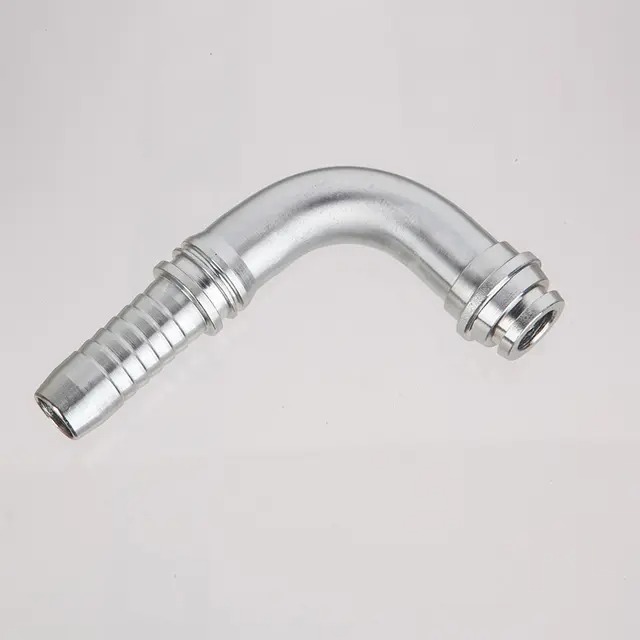
While JIS and DIN are both standards for hydraulic fittings, there are distinct differences between the two that can impact the functionality and compatibility of your system.
1. Geometrical Standards:JIS fittings, which originate from Japan, have specific geometric design features that are different from DIN fittings. DIN hose fittings are manufactured according to German industrial standards, which are known for their precise measurements and rigorous quality control. These slight design differences can affect how the fittings interface with hoses and connectors, leading to potential compatibility issues if not properly matched.
2. Pressure Rating:Both DIN and JIS fittings are designed to handle high-pressure environments, but the pressure ratings may vary depending on the specific standard and the type of fitting used. For example, DIN hose fittings often have a higher pressure rating, making them more suitable for demanding industrial applications where high-pressure systems are required.
3. Material Compatibility:While both standards offer fittings made from materials like stainless steel, carbon steel, and brass, DIN fittings are generally more standardized in terms of material composition and are often designed for more specific applications. On the other hand, JIS fittings may offer a slightly broader range of material options, allowing for more flexibility in some cases.
4. Thread Types:JIS and DIN fittings use different thread configurations, which can make them incompatible if mixed. DIN hose fittings typically use ISO metric threads, whereas JIS fittings are designed with JIS-specific threads. This is one of the key considerations when selecting fittings for your system, as improper threading can lead to leaks and equipment failure.
Choosing between JIS and DIN fittings depends on a variety of factors including the specific requirements of your hydraulic system, compatibility with existing components, and the working environment. Here are a few steps to help guide your decision-making process:
1. System Compatibility:Before selecting a fitting, ensure it is compatible with the rest of your system. If your equipment is already using DIN hose fittings, it’s often easier and more cost-effective to continue using fittings that follow the same standard. Similarly, if your system has been designed to meet JIS standards, switching to DIN fittings may cause performance issues.
2. Pressure and Flow Requirements:Consider the pressure and flow requirements of your hydraulic system. DIN hose fittings are often preferred in high-pressure systems because of their higher pressure ratings. However, if your system operates at lower pressures, JIS fittings may be sufficient and more cost-effective.
3. Availability of Components:Check the availability of both JIS and DIN fittings in your region or market. In some areas, one standard may be more prevalent than the other, and availability could influence your choice. DIN fittings are widely available in Europe and North America, while JIS fittings are more common in Japan and other parts of Asia.
When selecting hydraulic fittings, it is important to choose components that meet industry standards for quality and safety. Certified fittings ensure that they have been rigorously tested for performance, reliability, and safety. DIN hose fittings, for example, are often manufactured to meet ISO certification, which ensures that they adhere to internationally recognized quality standards.
Using certified fittings reduces the risk of system failures, leaks, and costly downtime. Additionally, many industries require the use of certified components to comply with regulations and safety standards.
| Feature | DIN Hose Fitting | JIS Hose Fitting |
|---|---|---|
| Pressure Rating | Higher pressure capability | Suitable for lower pressures |
| Thread Type | ISO Metric Threads | JIS-Specific Threads |
| Material Options | Stainless Steel, Carbon Steel | Stainless Steel, Brass |
| Application | Heavy-duty industrial use | General-purpose use |
| Certification | ISO Certified | Not always ISO Certified |
Thread types are an essential part of selecting the right DIN hose fitting for your hydraulic system. Two common types of threads used in hydraulic fittings are NPT (National Pipe Thread) and BSP (British Standard Pipe). Each has its own characteristics and compatibility, especially in international applications.
NPT Thread: Commonly used in North America, NPT threads are designed to create a seal through a tapered design. While effective for many applications, they may not provide the same level of sealing precision as BSP threads.
BSP Thread: Often preferred in Europe and Asia, BSP threads are parallel and rely on an additional sealing mechanism like an O-ring to provide a leak-proof seal. BSP threads are commonly found in DIN hose fittings used for high-pressure systems.
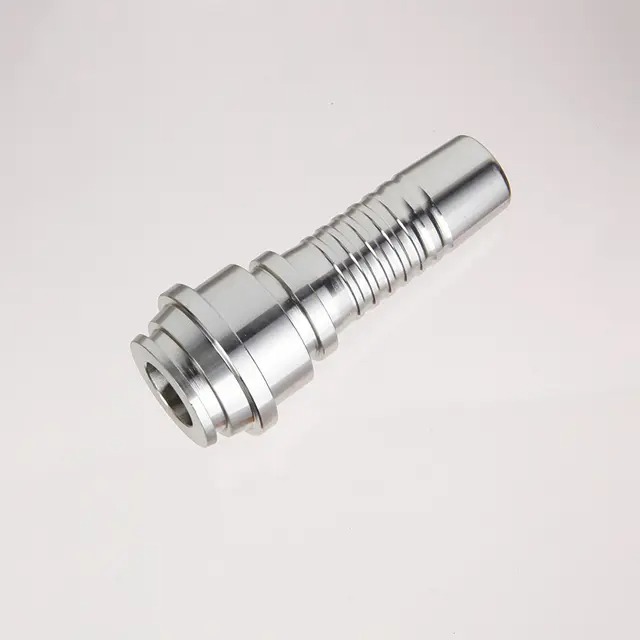
DIN hose fittings are widely used in systems where high pressure and precision are required. These fittings are commonly found in industries such as construction, automotive, and manufacturing, particularly in heavy-duty machinery, hydraulic presses, and high-pressure fluid systems.
They are also used in mobile equipment like cranes, excavators, and trucks, where the fittings need to withstand extreme pressures and challenging environmental conditions. The ability of DIN hose fittings to provide leak-proof connections makes them ideal for applications where safety is paramount.
The material of the hydraulic fitting plays a significant role in its performance and durability. DIN hose fittings are typically made from high-strength materials like stainless steel and carbon steel to ensure they can handle the demands of high-pressure environments.
Stainless steel is commonly chosen for its resistance to corrosion, making it ideal for applications in harsh environments. Carbon steel, on the other hand, is stronger and more cost-effective, making it suitable for general-purpose hydraulic systems.
When it comes to selecting DIN hose fittings for your hydraulic system, understanding the differences between JIS and DIN fittings is crucial. Both have their advantages, and the choice depends on factors such as pressure requirements, thread compatibility, and material options. Ensuring the proper fitment of your hydraulic fittings can prevent costly failures and downtime while maintaining the efficiency and safety of your system.
1. Can I mix JIS and DIN hydraulic fittings?
Mixing JIS and DIN fittings is not recommended due to differences in thread types and pressure ratings. It’s important to ensure compatibility for optimal performance.
2. What is the advantage of using DIN hose fittings in high-pressure systems?
DIN hose fittings are designed to handle higher pressures, making them suitable for demanding industrial applications that require reliable, leak-proof connections.
3. How do I choose the right material for my hydraulic fittings?
The choice of material depends on the application. For high-corrosion environments, stainless steel is ideal. For general-purpose use, carbon steel may suffice.


