
English 
T: +86-15990630008
E: info@chinahdm.com
E: info@chinahdm.com
Industrial zone, Binhai, Jiaojiang, Taizhou, Zhejiang, China


Views: 0 Author: Site Editor Publish Time: 2026-03-17 Origin: Site


Hydraulic valves are essential components in hydraulic systems, acting as the control mechanism that regulates fluid flow, pressure, and direction within various industrial systems. These valves are at the core of hydraulic machinery in many industries, including construction, agriculture, and manufacturing. At Taizhou Haodema Machinery Co., Ltd., we specialize in providing high-quality hydraulic valves designed to ensure smooth operation and optimal performance in the toughest working environments. However, to understand how these valves work and how to maintain them effectively, it's important to first understand their core components.
In this article, we will explore the basic parts of a hydraulic valve, including their functions, how they work together, and why the quality of each part matters for system longevity. Understanding the anatomy of a hydraulic valve will help you make better decisions when it comes to maintenance, repair, and valve selection.
Hydraulic valves are comprised of several key parts, each playing a specific role in controlling the fluid flow and ensuring the system operates efficiently. These components can vary slightly depending on the type of valve, but most hydraulic valves share some fundamental parts.
The main components of a hydraulic valve include the body, stem, seat, disc, actuators, seals, and gaskets. Each of these plays an essential role in controlling fluid movement, ensuring the valve opens and closes correctly, and preventing leaks that could compromise the performance of the hydraulic system.
As a fluid hydraulic parts manufacturer, Haodema ensures that these parts are crafted with precision and quality materials to meet the demands of high-performance hydraulic systems.
Understanding the core structural components of a hydraulic valve is key to maintaining and repairing them effectively. These parts are directly responsible for how the valve functions and how it performs under pressure.
The body of a hydraulic valve serves as the main housing for all internal components. It is the outer shell of the valve that provides structural integrity and supports the internal parts. The body must be durable and resistant to wear, corrosion, and high-pressure conditions, as it holds the components under pressure during operation.
The bonnet, or valve cover, is attached to the body and provides a seal for the valve components inside. It helps keep contaminants out of the valve and provides access to the valve’s internal parts during maintenance or repair. The bonnet also helps ensure the valve is properly sealed to prevent leaks.
Together, the body and bonnet form the backbone of the valve, holding everything in place while maintaining the structural integrity required for safe and efficient valve operation.
The stem is a critical part of the hydraulic valve. It connects the valve actuator to the internal mechanisms, allowing the valve to open and close. When the actuator is engaged, the stem moves, shifting the valve’s internal parts to regulate the flow of fluid. The stem must be precisely manufactured to ensure smooth operation and minimal friction.
The seat and disc are the sealing elements of the valve. The seat is typically a flat or concave surface that serves as the resting place for the valve disc, which blocks or allows the flow of fluid. The disc is the moving part that opens and closes to regulate fluid flow. Together, the seat and disc form the primary sealing surface, ensuring that fluid only flows when and where it is supposed to.
The trim of a hydraulic valve refers to all the internal components, including the seat, disc, stem, and other associated parts that directly influence how the valve controls fluid flow. The quality and precision of these components are critical for the valve’s performance and the overall efficiency of the hydraulic system.
The internal trim works together to control the flow of hydraulic fluid through the system. The seat and disc work as the primary seal, but the stem and other parts of the trim play a key role in ensuring smooth operation. These components must be carefully designed and manufactured to fit precisely within the valve body, as even minor deviations can lead to poor sealing, leaks, or inefficient fluid control.
The quality of the trim directly impacts the performance of the hydraulic valve. Precision machining of the valve’s trim components ensures that the valve seals properly and operates efficiently. High-quality trim components allow the valve to respond quickly to changes in fluid pressure, maintain proper flow rates, and prevent leakage.
At Haodema, we manufacture hydraulic valves with the highest quality materials and craftsmanship to ensure that the trim components meet the highest standards of performance.
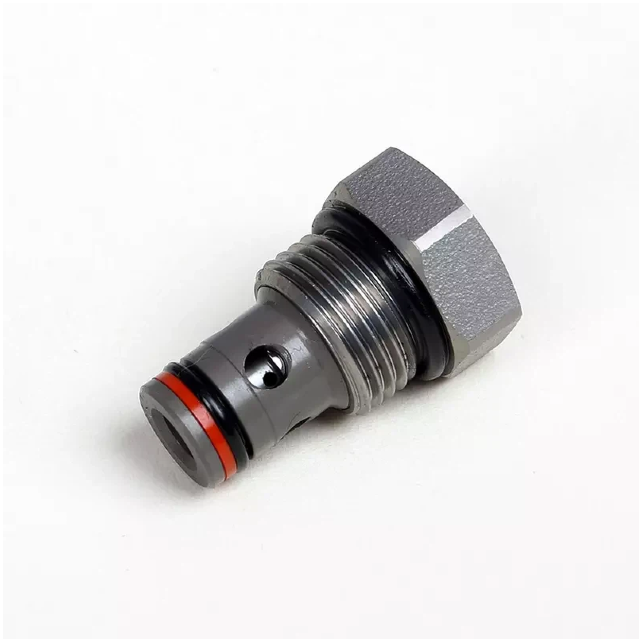
The actuator is the mechanism that opens and closes the valve. There are several types of actuators, each suited to different hydraulic systems and applications. The actuator can be manually operated, electrically controlled, or pneumatic, depending on the specific requirements of the hydraulic system.
· Manual Actuators: Manual actuators are operated by hand, often using a lever or knob. These are typically found in smaller systems or where the valve does not need to be adjusted frequently.
· Solenoid Actuators: Solenoid actuators use an electromagnetic coil to control the movement of the valve. When electricity is applied, the coil generates a magnetic field that moves the valve’s internal components.
· Pneumatic Actuators: Pneumatic actuators use compressed air to control the valve. These actuators are often used in high-speed systems where quick response times are required.
The type of actuator used in a hydraulic valve depends on the application and the control requirements of the system.
Seals, packing, and gaskets are essential for maintaining the integrity of the hydraulic valve and preventing leaks. These components ensure that fluid flows in the correct direction and that no fluid escapes from the system.
Seals and packing materials are designed to create tight seals around moving parts, preventing fluid from leaking out of the valve. The gasket, typically made from rubber or metal, forms a seal between the valve body and bonnet, ensuring that no fluid escapes through the joints.
Regular maintenance of seals, packing, and gaskets is crucial to keeping the system functioning properly. Over time, seals can degrade due to heat, pressure, and exposure to contaminants. Replacing these components regularly helps prevent leaks, ensuring the system remains leak-free and efficient.
Part | Function | Typical Material |
Body | Houses internal components | Steel, Cast Iron |
Bonnet | Provides a seal for internal parts | Steel, Cast Iron |
Stem | Connects actuator to internal mechanisms | Stainless Steel |
Seat & Disc | Control fluid flow and create the seal | Hardened Steel, Ceramic |
Actuator | Controls valve operation | Aluminum, Steel, Solenoid |
Seals | Prevent leakage | Rubber, PTFE |
The quality of the parts used in hydraulic valves directly impacts the valve’s performance and longevity. High-quality materials, precision machining, and tight tolerances are essential for ensuring that the valve operates efficiently and reliably over time.
Hydraulic valves are often exposed to harsh environments, including high temperatures, corrosive fluids, and high-pressure conditions. Parts made from corrosion-resistant materials, such as stainless steel or specially coated metals, ensure that the valve performs reliably even in the most demanding conditions.
Precision machining of valve components ensures that the valve seals correctly, operates smoothly, and minimizes wear. Tight tolerances ensure that the valve operates efficiently, preventing unnecessary wear and tear on internal parts.
As a fluid hydraulic parts manufacturer, Haodema ensures that all our hydraulic valves are made with the highest quality materials and manufacturing processes, providing our customers with reliable and durable solutions for their hydraulic systems.
Understanding the basic parts of a hydraulic valve is crucial for maintaining and operating hydraulic systems effectively. Each part, from the body and bonnet to the stem, seat, actuators, and seals, plays a critical role in ensuring that the valve functions properly and efficiently. Proper maintenance and the use of high-quality components are essential for extending the lifespan of your hydraulic valves and minimizing downtime.
At Haodema, we specialize in manufacturing high-quality hydraulic valves designed to meet the demands of various industries. By understanding the anatomy of a hydraulic valve, you can make informed decisions about valve selection, maintenance, and repair, ensuring that your systems run smoothly and efficiently.
For more information about our products or if you need assistance with hydraulic valve maintenance, contact us today.
What are the main parts of a hydraulic valve?
The main parts of a hydraulic valve include the body, bonnet, stem, seat, disc, actuator, seals, packing, and gaskets.
Why is the quality of hydraulic valve parts important?
The quality of valve parts ensures that the valve operates efficiently, prevents leakage, and withstands harsh operating conditions, extending the valve's lifespan.
How do I maintain hydraulic valves properly?
Regular inspection, replacing seals and gaskets, and reconditioning the valve’s internal parts are essential for maintaining hydraulic valves.
What materials are commonly used for hydraulic valve parts?
Common materials include stainless steel, hardened steel, cast iron, PTFE, rubber, and ceramic, depending on the specific valve part and its application.


