
English 
T: +86-15990630008
E: info@chinahdm.com
E: info@chinahdm.com
Industrial zone, Binhai, Jiaojiang, Taizhou, Zhejiang, China


Views: 0 Author: Site Editor Publish Time: 2026-03-12 Origin: Site


Hydraulic valves are essential components in hydraulic systems, responsible for regulating the flow, direction, and pressure of hydraulic fluid. These valves ensure that hydraulic machinery operates efficiently and reliably, whether it’s used in industrial, agricultural, or construction equipment. At Taizhou Haodema Machinery Co., Ltd., we specialize in providing high-quality hydraulic valves designed to offer long-lasting performance. However, even the most robust hydraulic valves require regular maintenance and timely repairs to ensure they remain effective over time.
This article will cover how hydraulic valves are maintained and repaired to maximize their longevity and maintain the efficiency of your hydraulic systems. We will explore the importance of regular inspections, common repair techniques, and best practices to ensure your hydraulic valves continue to perform optimally. Whether you're dealing with valve wear, contamination, or seal failures, understanding the proper maintenance methods can save you time and money while preventing costly downtime.
The importance of timely maintenance cannot be overstated when it comes to hydraulic valves. Regular inspection and maintenance help identify potential problems early, reducing the risk of catastrophic failures. In high-demand industries such as construction and manufacturing, ensuring that your hydraulic valves are well-maintained can keep your equipment running smoothly and efficiently.
Hydraulic valves are integral to controlling fluid power in systems, and when they fail, the entire hydraulic system can break down. This can result in costly downtime, which is especially problematic in industries where equipment needs to operate around the clock. Regular valve maintenance helps identify minor issues, such as seal degradation or internal wear, before they evolve into larger, more expensive problems.
By maintaining your hydraulic valves, you reduce the risk of unexpected failures, keeping your operations running smoothly without interruption. Timely repairs prevent downtime that could otherwise slow down production, leading to costly delays.
Inspection schedules for hydraulic valves vary depending on the equipment’s usage and the number of cycles or hours of operation. As a general guideline, valves should be inspected after every 1000 to 3000 hours of use, depending on the operating environment and conditions. In heavy-duty applications, such as in construction machinery, more frequent inspections may be necessary to ensure optimal performance.
Routine inspections are an essential part of maintaining hydraulic valves and preventing costly failures. By incorporating regular checks into your maintenance schedule, you can identify early warning signs of failure, such as leakage or sluggish valve operation.
When it’s time to inspect a hydraulic valve, it's important to follow the correct disassembly and inspection procedures. This ensures that you don’t cause further damage to the valve or system and helps maintain the efficiency of the hydraulic system.
The first step in inspecting a hydraulic valve is to carefully open the valve body. Inside, you will find key components such as the seat, disc, stem, and seals. Each of these components plays a critical role in controlling fluid flow and pressure. The seat and disc ensure proper sealing to prevent leaks, while the stem controls the opening and closing mechanism of the valve. The seals are essential for preventing fluid leakage and maintaining pressure within the system.
During the inspection, carefully examine these components for signs of wear or damage. If the valve seat or disc shows deep scratches or wear, it could lead to inefficient sealing or leakage. The valve stem should be checked for proper movement, ensuring it doesn’t experience excessive friction or misalignment.
While wear is expected in high-pressure hydraulic valves, identifying when it turns into damage is crucial. Minor wear patterns such as slight abrasion on the valve seat are typical, but severe damage, like cracks or deep grooves, can affect the valve’s ability to seal fluid properly. By recognizing these issues early, you can determine whether the valve needs a simple repair or if it should be replaced entirely.
Worn seals and gaskets are another common issue that requires attention. Seals can degrade due to exposure to high temperatures or chemicals in the hydraulic fluid. Regular inspection of seals ensures that they’re replaced before they fail and cause leaks, which could compromise system performance.
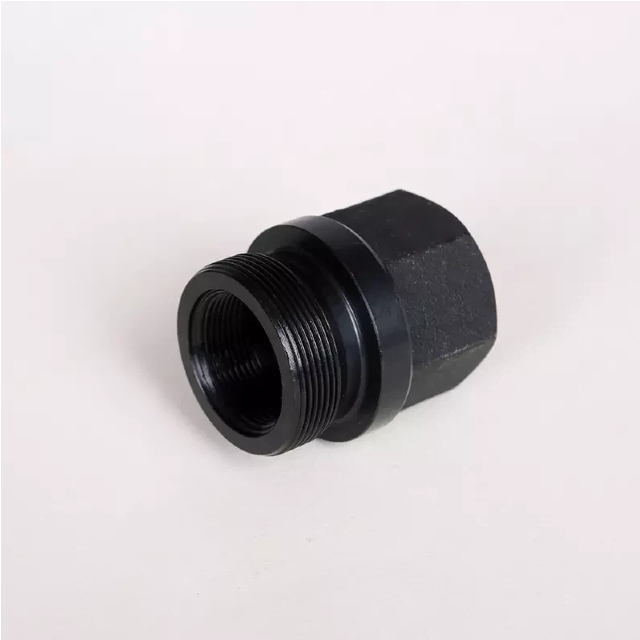
Hydraulic valves are built to last, but over time, they will require repairs to maintain their functionality. Understanding the most common repair techniques for hydraulic valves can help you extend their lifespan and reduce the need for replacement.
One of the most common repairs for hydraulic valves is seal and gasket replacement. These components play a vital role in maintaining the integrity of the valve by preventing leaks and maintaining the correct pressure within the system. Over time, seals and gaskets can degrade due to temperature fluctuations, pressure cycles, or exposure to contaminants in the hydraulic fluid.
Replacing seals and gaskets is a relatively simple and cost-effective repair. It’s important to choose the right materials that are compatible with the system’s operating conditions, such as high temperatures or exposure to specific chemicals. Regular replacement of seals can significantly extend the life of a hydraulic valve.
Another repair technique is surface reconditioning, which involves grinding or lapping the valve components, such as the seat and disc. Over time, these surfaces may become worn or damaged, preventing a proper seal. Reconditioning these surfaces restores their ability to form a tight seal, improving the valve’s performance.
Grinding and lapping are typically performed using specialized equipment, and precision is key to ensuring the surfaces are properly restored. This repair method can be particularly effective for valves that have been in service for several years and have experienced some wear but are not yet beyond repair.
Once the valve has been repaired, it’s important to carefully calibrate and reassemble it to ensure that it operates at its optimal level. Proper reassembly and calibration can prevent issues such as incorrect fluid flow, pressure loss, or poor valve response.
When reassembling the valve, ensure that the valve components are tightened to the manufacturer’s recommended torque settings. Over-tightening or under-tightening components can lead to improper function or even damage to the valve. Additionally, it’s essential to lubricate moving parts such as the valve stem to reduce friction and wear.
Proper alignment of the valve parts is also crucial for ensuring smooth operation. Misalignment can cause excessive wear and inefficient operation, leading to valve failure.
By following these reassembly tips, you can ensure that your hydraulic valve is properly calibrated and ready for service.
While regular maintenance and repairs can extend the life of hydraulic valves, there are times when replacing a valve is more cost-effective than continuing repairs. Knowing when to upgrade or replace a valve is an important decision that can affect the overall efficiency of your hydraulic system.
The decision to repair or replace a hydraulic valve often comes down to the cost-benefit analysis. If a valve has undergone multiple repairs or is showing signs of severe damage, it may be more cost-effective to replace it with a new one. New hydraulic valves typically come with updated technology, improved materials, and enhanced durability, which can offer long-term value.
For customers looking to maximize their investment, Haodema, as a fluid hydraulic parts manufacturer, offers high-quality valves that provide superior performance and reliability, helping businesses reduce long-term costs associated with frequent repairs.
Choosing a reliable manufacturer is key to maintaining the performance of your hydraulic valves. At Haodema, we offer comprehensive manufacturer support, including providing spare parts kits and technical guidance for valve repairs. Our customers benefit from easy access to replacement parts, ensuring that any issues can be addressed promptly and effectively.
Our products are designed for durability and efficiency, and we offer ongoing support to help maintain and repair hydraulic valves. As a trusted supplier of hydraulic components, Haodema ensures that your hydraulic systems remain in top condition, reducing downtime and preventing costly repairs.
In conclusion, proper maintenance and timely repairs of hydraulic valves are essential for ensuring the longevity and performance of hydraulic systems. Regular inspection, seal and gasket replacement, surface reconditioning, and proper reassembly can extend the life of your valves and reduce the risk of unexpected failures. At Haodema, we specialize in providing high-quality hydraulic valves that are designed for durability and optimal performance. Whether you’re in need of repair tips or upgrading your valves, we are here to help you maintain and improve your hydraulic systems.
For more information about our products or if you need assistance with hydraulic valve maintenance, contact us today.
How can I detect a failing hydraulic valve early?
Signs of a failing hydraulic valve include leaks, sluggish operation, noise, and loss of pressure. Regular inspection and monitoring are key to early detection.
What should I inspect when servicing a hydraulic valve?
Key components to inspect include the valve seat, disc, stem, and seals. Look for wear patterns, damage, or degradation that may require replacement.
How often should hydraulic valves be replaced?
Hydraulic valves should be replaced if they show signs of severe wear or if repairs are no longer cost-effective. Typically, valves are replaced when repairs exceed their value or when performance becomes unreliable.
How does Haodema support valve maintenance?
Haodema provides spare parts kits and expert guidance for valve maintenance, ensuring that your hydraulic systems remain operational and efficient.


