
English 
T: +86-15990630008
E: info@chinahdm.com
E: info@chinahdm.com
Industrial zone, Binhai, Jiaojiang, Taizhou, Zhejiang, China


Views: 0 Author: Site Editor Publish Time: 2026-03-10 Origin: Site


Hydraulic valves are essential components of any hydraulic system, controlling the flow, direction, and pressure of hydraulic fluid. These valves play a vital role in maintaining the efficiency and reliability of various industrial systems. At Taizhou Haodema Machinery Co., Ltd., we specialize in the manufacturing of high-quality hydraulic valves designed for superior performance in demanding industrial environments. However, even the best hydraulic valves can face issues over time that affect the efficiency of the entire system. Identifying and resolving these issues promptly is crucial for avoiding costly downtime and repairs.
In this article, we will discuss common hydraulic valve problems, their impact on your system, and the importance of early detection and proper maintenance. Whether you are dealing with contamination, leakage, or mechanical failures, understanding these issues and how to address them can help ensure the longevity and reliability of your hydraulic systems.
Hydraulic systems are complex, and recognizing hydraulic valve problems early on can make a significant difference in maintaining the performance and longevity of the equipment. Timely detection of valve issues can prevent downtime, reduce repair costs, and keep your systems running smoothly.
Early detection of hydraulic valve problems is critical for several reasons:
· Efficiency: Hydraulic systems rely on precise control of fluid flow and pressure. Valve issues, such as leaks or contamination, can lead to inefficient operation, wasting energy and increasing operational costs.
· Downtime: A malfunctioning valve can cause significant system failures, leading to extended downtime. Early detection helps prevent these costly interruptions.
· Cost: The longer a valve issue goes unnoticed, the more likely it is to cause damage to other components in the system. Repairing or replacing damaged parts due to neglect can be far more expensive than addressing a minor issue early.
Several signs indicate that a hydraulic valve may be malfunctioning:
· Leaks: Fluid leaking from the valve is a clear sign that the valve seals or gaskets have failed. Leaks can lead to loss of pressure and reduced system efficiency.
· Noise: Unusual noises, such as grinding or hissing, may indicate internal damage or poor fluid flow regulation within the valve.
· Sluggish Operation: A valve that is slow to respond or causes slow movement in actuators could be suffering from contamination, wear, or improper calibration.
If you notice any of these signs, it is essential to inspect the valve promptly and take corrective action to prevent further damage.
Internal contamination is one of the leading causes of hydraulic valve failure. Contaminants, such as dirt, debris, or water, can compromise the performance of the valve and lead to system inefficiency.
Contamination in hydraulic systems often originates from external sources or improper maintenance. Common causes of contamination include:
· Fluid Debris: Particles from degraded seals, wear on internal parts, or dirt entering the system during maintenance can clog or damage the valve components.
· Improper Filtration: Inadequate filtration or the use of low-quality filters can allow contaminants to enter the hydraulic fluid, leading to internal wear on the valve components.
These contaminants can cause significant damage to the valve's internal parts, such as the spool and seat, leading to leakage, poor fluid flow control, or complete valve failure.
The impacts of internal contamination and wear can be severe:
· Reduced Precision: Contaminants can cause the valve to malfunction, leading to inaccurate fluid flow regulation. This can result in poor system performance and inconsistent operation of machinery.
· Faster Wear: Continuous exposure to contaminants accelerates wear on critical components like the spool, seat, and seals. This can lead to premature valve failure.
· More Heat: Increased friction from worn-out parts generates excess heat within the system, further compromising performance and potentially damaging other components.
To prevent these issues, regular maintenance and proper filtration are essential for ensuring the longevity of hydraulic valves.
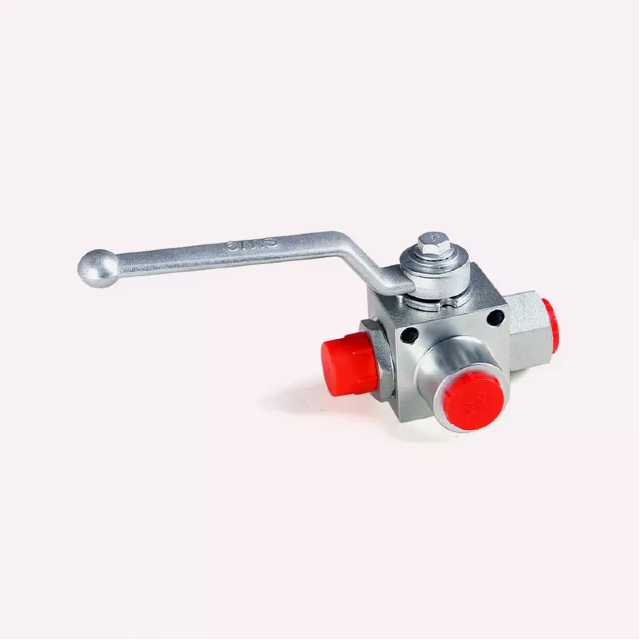
Leakage is one of the most common issues affecting hydraulic valves. When seals or gaskets fail, hydraulic fluid can escape, leading to a loss of pressure and inefficient operation.
Leaks typically develop due to:
· Seal Wear: Over time, seals and gaskets degrade due to constant exposure to pressure and temperature changes. This wear can lead to fluid leakage.
· Gasket Failure: Gaskets can become brittle or damaged, compromising their ability to form a tight seal and allowing fluid to leak from the valve.
· Surface Damage: Scratches, abrasions, or corrosion on the valve surfaces can also lead to leaks by preventing a proper seal.
The effects of leaks on a hydraulic system can be detrimental:
· Loss of Pressure: Leaks reduce the amount of pressure in the system, leading to diminished performance and slower response times in hydraulic actuators.
· Wasted Energy: Leaking fluid results in wasted energy, as the system must compensate for the lost pressure. This leads to higher energy consumption and increased operational costs.
Promptly addressing leaks is essential for maintaining system efficiency and preventing further damage.
Mechanical failures in hydraulic valves are often caused by internal damage, such as broken stems, jammed spools, or corrosion. These failures can prevent the valve from operating correctly and lead to system failure.
· Broken Stems: The valve stem is responsible for opening and closing the valve. A broken stem can prevent the valve from functioning properly, resulting in fluid flow issues or complete valve failure.
· Jammed Spools: Spools inside the valve control fluid flow. If a spool becomes jammed due to debris or wear, it can cause the valve to operate erratically or fail entirely.
· Corrosion: Exposure to moisture, chemicals, or high temperatures can cause corrosion on the valve components. Corrosion weakens the valve, making it more prone to failure.
These mechanical failures can lead to significant operational issues, including the inability to control fluid flow or pressure, resulting in equipment downtime and costly repairs.
In modern hydraulic systems, many valves are controlled by electrical actuators, solenoids, or feedback systems. Problems with the electrical components that control the valve can lead to inaccurate fluid regulation and system failure.
· Solenoid Issues: Solenoids control the movement of the valve. If the solenoid fails or becomes unreliable, the valve may not function as intended.
· Misalignment: Misalignment of the actuator or valve can cause the valve to operate incorrectly or inefficiently.
· Feedback Irregularities: If the feedback system fails, the valve may not receive accurate information about the fluid flow, causing it to open or close at the wrong times.
These electrical and control system issues can lead to erratic valve behavior, reducing system reliability and potentially causing significant damage.
Improper maintenance can exacerbate hydraulic valve issues, leading to faster wear, leaks, and system inefficiencies.
· Improper Servicing: Failing to regularly inspect and service hydraulic valves can lead to undetected issues that worsen over time. Regular maintenance ensures that any problems are caught early, preventing costly repairs.
· Wrong Cleaning Procedures: Using the wrong cleaning methods or solvents can damage the valve components, accelerating wear and contamination.
Proper maintenance is essential for prolonging the life of hydraulic valves and ensuring the overall health of the hydraulic system.
Problem | Common Cause | Typical Fix |
Leaks | Seal wear, gasket failure | Replace seals or gaskets |
Sluggish operation | Contamination, wear | Clean system, replace parts |
Broken stem | Mechanical damage | Replace valve stem |
Solenoid failure | Electrical malfunction | Replace or repair solenoid |
Hydraulic valves are critical components in ensuring the smooth operation of hydraulic systems. However, like all mechanical parts, they are susceptible to a variety of issues, including contamination, leakage, and mechanical failure. By understanding the common problems that can occur with hydraulic valves and their impact on the system, you can take proactive measures to maintain and repair your valves, minimizing downtime and reducing repair costs. Regular maintenance and proper valve selection are key to ensuring the longevity and efficiency of your hydraulic systems.
For more information on high-quality hydraulic valves and how they can enhance your system’s performance, contact us today.
What are the most common hydraulic valve problems?
Common issues include leakage, sluggish operation, internal contamination, and mechanical failures like broken stems or jammed spools.
How can I detect hydraulic valve issues early?
Signs of failure include leaks, unusual noises, and sluggish operation. Early detection can prevent costly downtime and repairs.
What causes hydraulic valve leaks?
Leaks are often caused by seal wear, gasket failure, or surface damage due to wear and tear or improper maintenance.
How can Haodema’s hydraulic valves help improve system performance?
Haodema’s high-quality valves are designed for durability and reliability, reducing the risk of failure and ensuring smooth operation of hydraulic systems.


