
English 
T: +86-15990630008
E: info@chinahdm.com
E: info@chinahdm.com
Industrial zone, Binhai, Jiaojiang, Taizhou, Zhejiang, China


Views: 0 Author: Site Editor Publish Time: 2026-03-03 Origin: Site


In today's industrial environment, hydraulic systems are the backbone of many machines and equipment, controlling force, motion, and pressure to perform heavy-duty tasks. One of the most crucial components in any hydraulic system is the hydraulic valve. At Taizhou Haodema Machinery Co., Ltd., we specialize in providing high-quality hydraulic valves designed to ensure efficiency, safety, and longevity in industrial operations. Whether you're dealing with excavators, presses, or conveyor systems, the role of hydraulic valves is essential to maintaining smooth operations and reducing downtime.
This article will dive into the details of hydraulic valves, explaining their function, types, common problems, and why they are critical in ensuring the optimal performance of hydraulic systems. By the end of this guide, you’ll understand how hydraulic valves work and why choosing the right valve can lead to better system performance and cost savings.
Hydraulic valves are critical components in hydraulic systems, responsible for regulating the flow, direction, and pressure of fluids within a hydraulic circuit. They are designed to control the flow of hydraulic fluid, which powers a variety of systems from manufacturing machines to construction equipment. Without hydraulic valves, controlling the movement and force exerted by these systems would be nearly impossible.
In simple terms, a hydraulic valve directs the flow of pressurized fluid to different components, such as cylinders and motors, to generate the desired mechanical movement. These valves help manage the energy generated by the pump and deliver it effectively to the actuator, which in turn performs tasks such as lifting, pressing, or rotating.
Hydraulic valves interact closely with other parts of the hydraulic system, such as pumps, actuators, and cylinders. The hydraulic pump pushes fluid through the valve, and the valve itself controls where the fluid goes and how much pressure is applied to different components. In essence, these valves serve as the “brain” of a hydraulic system, ensuring that everything functions at the right time and with the right intensity.
A general hydraulic valve consists of several components such as the body, stem, seat, and disc. The valve body houses the internal mechanism, while the stem and seat work together to allow or block the flow of fluid. The disc acts as a sealing element, helping maintain system integrity by preventing leakage. While these valves come in different types depending on the application, they all serve the same basic purpose of regulating hydraulic flow.
Hydraulic valves perform several key functions within a hydraulic system. These functions are essential for maintaining efficiency, controlling energy use, and ensuring safety. Let’s break down the primary roles that hydraulic valves play.
One of the most important functions of hydraulic valves is controlling the flow of hydraulic fluid through the system. Valves regulate the speed and force at which hydraulic actuators (such as cylinders and motors) operate. By adjusting the flow rate, the valve controls the movement of machinery, whether it's a slow, precise operation or a rapid action.
The ability to control fluid flow ensures that machines function according to specific requirements, enhancing productivity and preventing energy wastage. Hydraulic valves help systems perform at their optimal speed, increasing efficiency and reducing wear and tear on other components.
Another crucial function of hydraulic valves is managing pressure within the hydraulic system. Pressure is the force exerted by the hydraulic fluid within the system, and if it exceeds safe levels, it can cause damage to the machinery. Hydraulic valves, such as pressure relief valves, are designed to prevent this from happening by controlling or limiting the pressure within the system.
Pressure management is vital for maintaining the integrity of hydraulic systems. It ensures that components are not exposed to unnecessary stress, which can lead to premature failure, safety hazards, or downtime.
Hydraulic valves are responsible for controlling the direction of fluid flow within a hydraulic system. They determine where the fluid goes and which components are activated, such as directing fluid to a piston, motor, or actuator. This function is especially important in systems that require precise control over the movement of machinery, like excavators and industrial presses.
By altering the direction of fluid flow, hydraulic valves enable machines to perform various tasks, such as lifting, rotating, or pushing, depending on the needs of the operation.
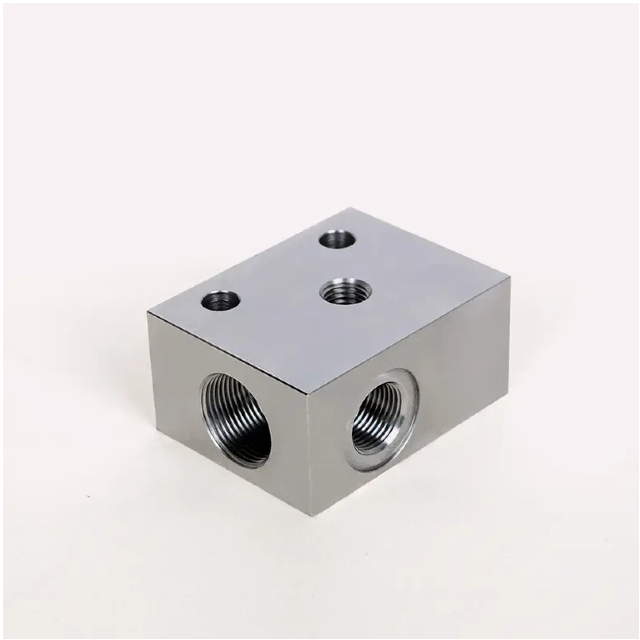
The quality of hydraulic valves directly impacts the performance, safety, and longevity of the entire hydraulic system. A well-designed valve ensures that the system operates smoothly and efficiently, reducing the likelihood of costly repairs and downtime. For businesses, this translates into increased productivity, fewer maintenance issues, and a longer lifespan for their machinery.
At Taizhou Haodema Machinery Co., Ltd., we take pride in our expertise as a fluid hydraulic parts manufacturer. Our valves are designed with precision to meet the highest industry standards. We understand the importance of reliability in hydraulic systems, which is why we provide our customers with durable, high-performance hydraulic valves that can withstand the demands of industrial applications.
Investing in quality valves ensures that your systems run smoothly, keeping your operations on track and your machinery performing at its best. A poorly designed valve can lead to inefficiency, higher maintenance costs, and even equipment failure, causing costly interruptions.
Hydraulic valves are used in various industries to control fluid power systems. They are critical components in agricultural equipment, industrial machinery, construction vehicles, and many other applications. Below is a comparison of some typical applications, the role of hydraulic valves, and their impact on system performance.
Application | Valve Role | Performance Benefit |
Excavator Hydraulics | Flow direction control | Precision movement |
Industrial Press | Pressure valve | Safety & cycle speed |
Conveyor Systems | Flow/pressure balance | Smooth operation |
In agricultural machinery, for example, hydraulic valves are used to control the operation of large equipment like tractors and harvesters, ensuring that the hydraulic cylinders perform precise movements. In industrial presses, valves regulate the pressure applied during manufacturing processes, ensuring product quality and preventing equipment damage. Similarly, in conveyor systems, hydraulic valves help balance the flow and pressure, ensuring that the system runs smoothly without any disruptions.
Choosing the right hydraulic valve for each application is critical. Haodema’s products provide superior performance across various industries, ensuring reliability and efficiency in every system.
Choosing the right hydraulic valve can significantly enhance productivity. Whether you are using ball valves, valve blocks, or directional control valves, selecting the right type of valve for your specific needs ensures that your machinery operates at peak efficiency.
At Haodema, we offer a wide range of high-quality hydraulic valves that are tailored to meet the demands of different industrial applications. Our valves are designed to provide optimal flow control, pressure management, and directional control, ensuring that your systems perform efficiently and safely.
By working with a trusted manufacturer like Haodema, you ensure that your hydraulic systems are equipped with the best components available, leading to improved productivity, reduced maintenance costs, and enhanced overall performance.
In conclusion, hydraulic valves are indispensable components in industrial systems, responsible for controlling fluid flow, pressure, and direction. Their role is essential for ensuring the efficient operation of machinery and preventing costly failures. At Haodema, we provide top-quality hydraulic valves that help businesses optimize their hydraulic systems, ensuring smooth operations and enhanced productivity. By investing in high-quality valves, you not only improve the performance of your systems but also extend the lifespan of your machinery, ultimately reducing operational costs and downtime.
If you are looking for reliable hydraulic valves, contact us today to learn more about our products and how they can benefit your operations.
What are the different types of hydraulic valves?
Hydraulic valves come in various types, including directional control valves, pressure control valves, and flow control valves. Each type serves a specific function in controlling fluid movement within a system.
How do hydraulic valves control pressure?
Hydraulic valves, such as pressure relief valves, regulate the pressure within a hydraulic system to prevent it from exceeding safe levels, protecting the system from damage.
Why is it important to choose the right hydraulic valve?
Choosing the right hydraulic valve ensures that your system operates efficiently, preventing issues like leaks, pressure failures, and slow operation, ultimately improving productivity.
How can Haodema’s hydraulic valves benefit my system?
Haodema’s hydraulic valves are designed for high performance, durability, and reliability, helping to optimize your hydraulic systems and reduce maintenance costs.


