
English 
T: +86-15990630008
E: info@chinahdm.com
E: info@chinahdm.com
Industrial zone, Binhai, Jiaojiang, Taizhou, Zhejiang, China


Views: 0 Author: Site Editor Publish Time: 2026-03-05 Origin: Site


In the modern industrial world, hydraulic systems play a crucial role in providing force, motion, and control to various machines and processes. At the heart of these systems are hydraulic valves, which are responsible for regulating fluid flow, pressure, and direction. Hydraulic valves are used in a wide variety of applications, including construction, manufacturing, and agriculture. Taizhou Haodema Machinery Co., Ltd. has been at the forefront of providing high-quality hydraulic components since 2005. With years of expertise in the hydraulic industry, we specialize in producing reliable hydraulic valves that are designed to meet the rigorous demands of various industries.
This article will explore the main types of hydraulic valves, their roles in fluid systems, and why selecting the right hydraulic valve is critical for system performance. Understanding the different types of hydraulic valves will help you make informed decisions about your hydraulic systems and ensure maximum efficiency and longevity.
Hydraulic valves can be classified into three primary categories based on their function: flow control valves, pressure control valves, and directional control valves. Each type of valve serves a specific purpose in the hydraulic system, and understanding these categories is crucial for ensuring the proper operation of your machinery.
Hydraulic valves are integral to the overall functioning of any hydraulic system. By regulating the flow of fluid, controlling pressure, and directing the fluid to specific areas, they ensure that the system operates smoothly, efficiently, and safely. Selecting the right type of valve for a given application can significantly improve performance and reduce the likelihood of system failure.
Each type of valve—whether it is designed for pressure, flow, or direction control—has its own specific role in maintaining system efficiency. As a fluid hydraulic parts manufacturer, Haodema offers a wide range of hydraulic valves that cater to diverse industrial needs, ensuring that your hydraulic systems are equipped with the most reliable and effective components available.
Directional control valves are essential for regulating the direction of hydraulic fluid within the system. These valves control where the fluid goes and which components are activated. They are critical in systems that require precise control of the movement of machinery, such as in hydraulic cylinders or motors.
Directional control valves work by redirecting fluid to different parts of the hydraulic system. These valves are typically classified by the number of ports (such as 2/2 or 4/3), which correspond to the number of fluid pathways and positions the valve can control. For example, a 2/2 valve has two ports and two positions, allowing it to control the flow of fluid between two components. A 4/3 valve, on the other hand, has four ports and three positions, offering more complex fluid routing for more advanced applications.
The function of these valves is to ensure that fluid flows to the correct part of the system when needed. Whether it is for extending or retracting a cylinder or controlling the motion of a motor, directional control valves are crucial for the efficient operation of hydraulic equipment.
Directional control valves are widely used in applications where precise control over the movement of hydraulic components is required. For example, in construction machinery like excavators, directional valves control the movement of the hydraulic arm and bucket. Similarly, in industrial presses, these valves regulate the movement of the press to ensure accurate and safe operation.
By ensuring that hydraulic fluid flows to the correct location in a controlled manner, directional control valves enhance the overall performance of hydraulic systems. They help achieve the desired motion with high accuracy, improving both productivity and safety.
Pressure control valves are designed to regulate and limit the pressure within a hydraulic system. These valves are crucial for preventing overpressure, which can lead to damage to hydraulic components and machinery.
There are several types of pressure control valves, each serving a specific purpose in the hydraulic loop. The most common types include:
· Relief Valves: These valves are designed to prevent excessive pressure buildup in the system by opening when a set pressure is exceeded, allowing fluid to flow to the reservoir and protecting the system from damage.
· Sequence Valves: Sequence valves are used to control the order in which hydraulic components are activated, ensuring that one part of the system operates before another. This is particularly useful in applications where multiple operations need to occur in a specific sequence.
· Counterbalance Valves: These valves help maintain pressure balance in hydraulic cylinders and other components, preventing unwanted movement and ensuring that the system remains stable under load.
Pressure control valves are vital for ensuring the safety, stability, and efficiency of hydraulic systems. They prevent the system from experiencing dangerous levels of pressure, which can lead to equipment failure, hydraulic leaks, and safety hazards. By regulating pressure, these valves help maintain smooth operations and reduce wear on components, extending the lifespan of the entire system.
With Haodema’s expertise as a fluid hydraulic parts manufacturer, we offer top-of-the-line pressure control valves that help businesses maintain stable, reliable, and safe hydraulic systems.
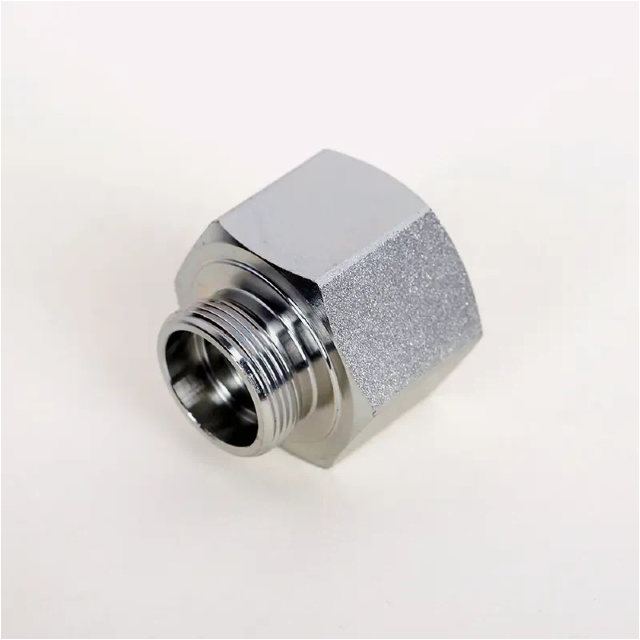
Flow control valves regulate the rate at which hydraulic fluid flows through the system. These valves are essential for controlling the speed of hydraulic actuators, ensuring that the system operates at the desired pace without exceeding capacity.
Flow control valves work by adjusting the flow of hydraulic fluid to control the speed of actuators. There are two main methods of controlling flow:
· Speed Control: Flow control valves can be used to control the speed of movement in hydraulic cylinders or motors, ensuring that the equipment operates at the correct speed for the task at hand.
· Fluid Volume Regulation: These valves can also regulate the total volume of fluid entering or exiting the system, which is crucial for maintaining the efficiency of hydraulic processes.
There are several subtypes of flow control valves, including:
· Fixed Flow Valves: These valves provide a constant flow rate and are used in applications where a consistent speed is required.
· Adjustable Flow Valves: These valves allow for variable flow rates, providing greater flexibility in systems that require speed adjustments.
By controlling the flow of fluid, flow control valves enable systems to operate more efficiently, enhancing productivity and reducing energy consumption.
In addition to the primary flow, pressure, and directional control valves, there are also specialty valves that serve specific roles within hydraulic systems. These valves include check valves, ball valves, and needle valves.
· Check Valves: Check valves are one-way valves that allow fluid to flow in one direction only. They prevent backflow, ensuring that hydraulic fluid moves in the correct direction and preventing damage to the system.
· Ball Valves: Ball valves are commonly used for on/off control of fluid flow. They feature a spherical ball with a hole in the middle, which aligns with the flow path to allow fluid to pass through or blocks it when the valve is closed.
· Needle Valves: Needle valves are used for fine control of fluid flow. They are typically used in low-flow applications where precise regulation of flow is required.
Valve Type | Primary Function | Example Use |
Check Valve | Prevent backflow | Hydraulic lines, pumps |
Ball Valve | On/off control | Flow shut-off applications |
Needle Valve | Fine flow regulation | Low-flow systems |
These specialty valves provide critical control in various systems, ensuring that fluid flows in the correct direction, at the right speed, and with the appropriate pressure.
As a fluid hydraulic parts manufacturer, Haodema specializes in designing and manufacturing custom hydraulic valves tailored to meet the specific needs of different industries. The right hydraulic valve can greatly improve system performance by ensuring that fluid is directed, controlled, and regulated efficiently.
Whether you need valves for high-pressure systems, low-flow applications, or precise directional control, Haodema offers customized solutions to enhance the functionality of your hydraulic systems. By selecting the proper valve type, you can significantly improve system reliability, reduce maintenance costs, and increase overall productivity.
In summary, understanding the main types of hydraulic valves and their roles is crucial for selecting the right components for your hydraulic systems. From directional control valves that regulate fluid flow to pressure control valves that maintain system safety, each valve type serves a unique purpose in ensuring the efficient and reliable operation of hydraulic equipment. By choosing the right valve for your system, you can improve performance, prevent failures, and extend the lifespan of your machinery.
At Haodema, we are committed to providing high-quality hydraulic valves that meet the diverse needs of our customers. Whether you are looking for directional, pressure, or flow control valves, our expert solutions are designed to optimize your hydraulic systems for maximum efficiency.
For more information about our products and to discuss your specific hydraulic valve needs, contact us today.
What are the different types of hydraulic valves?
The main types of hydraulic valves include directional control valves, pressure control valves, and flow control valves, each serving a unique role in regulating fluid movement, pressure, and speed.
How do pressure control valves work?
Pressure control valves, such as relief, sequence, and counterbalance valves, regulate the pressure within the system to prevent overpressure and maintain stability.
Why are flow control valves important?
Flow control valves are essential for regulating the speed and volume of fluid in a hydraulic system, ensuring that machinery operates at the desired pace and improving energy efficiency.
How can Haodema’s valves improve system performance?
Haodema’s hydraulic valves are designed to provide precise control over fluid flow, pressure, and direction, helping to optimize system performance, reduce maintenance, and extend the lifespan of equipment.


