



Contents
Introduction
Hydraulic systems rely heavily on various types of hose fittings to maintain their efficiency and safety. Among the most widely used and trusted fittings in hydraulic applications is the JIC Hose Fitting, designed to create leak-free connections even under extreme conditions. Whether you're dealing with high-pressure fluid systems, stainless steel hoses, or high-temperature environments, understanding the different types and applications of JIC fittings is essential to making the right choice for your system.
In this comprehensive guide, we’ll explore the various types of hydraulic fittings, with a special focus on JIC hose fittings. We will delve into their features, benefits, and applications, offering insight into how to choose the right fitting for your specific hydraulic needs.
What is a JIC Hose Fitting?
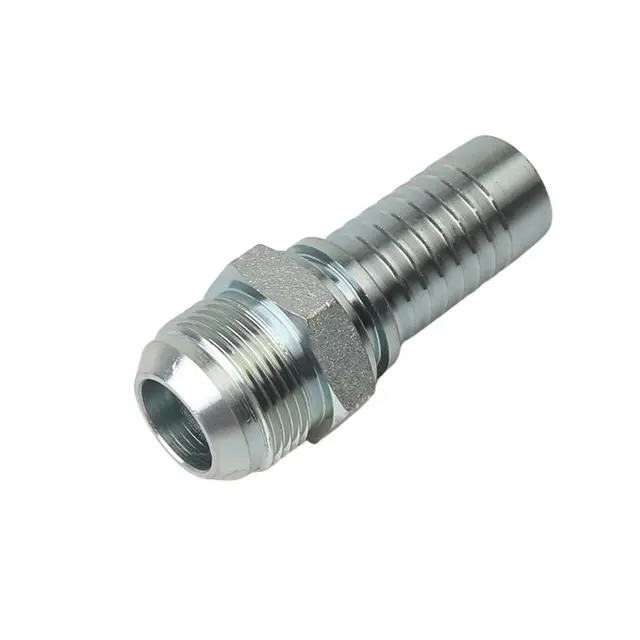
A JIC hose fitting refers to a high-performance hydraulic fitting standardized by the Joint Industry Conference (JIC). Typically made from materials like stainless steel, JIC hose fittings are used to create tight, secure, and leak-resistant connections in fluid and gas systems. These fittings have an angular design, most notably a 37-degree flare, which allows them to form a reliable seal under pressure.
Key Features of JIC Fittings:
37-degree flare design for a tight, leak-free seal.
Made of stainless steel, carbon steel, and other robust materials.
Commonly used in high-pressure hydraulic systems.
Available in various sizes and types to accommodate different hose and pipe configurations.
Types of Hydraulic Fittings
Hydraulic systems use a variety of fittings to connect components such as hoses, pipes, and valves. These fittings come in several types, each designed for specific pressure ratings, material requirements, and application conditions.
JIC Fittings Overview
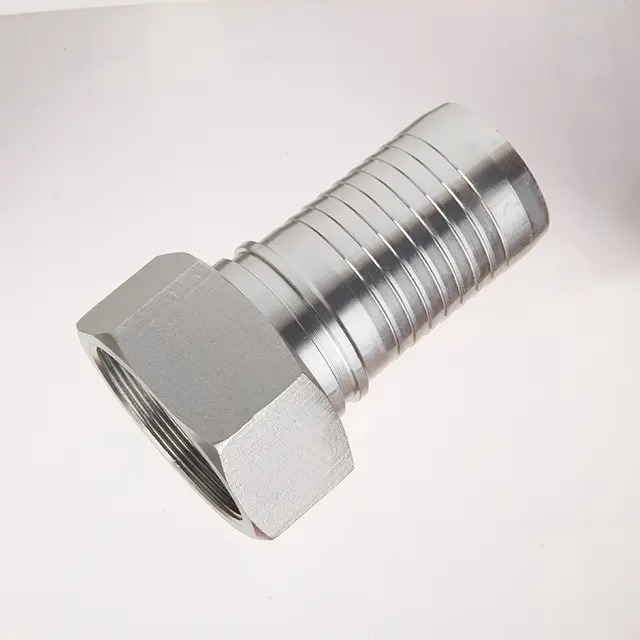
The JIC fittings are among the most versatile types of hydraulic fittings. They come in various configurations, including elbows, tees, plugs, and couplings, and are designed to handle high-pressure applications. These fittings have a male and female flare design that allows them to be securely tightened, providing a leak-proof seal. They are widely used in industrial, aerospace, and automotive applications, especially when precision and reliability are paramount.
Male Flare: Features an external flare that connects with the internal flare of the female fitting.
Female Flare: Contains the internal flare and mates with the male flare to create a secure connection.
Professional and High Pressure JIC Fittings
Professional-grade JIC hose fittings are engineered for use in high-pressure systems. These fittings are typically made from durable materials such as stainless steel or carbon steel to withstand the harsh conditions that come with industrial hydraulic systems. The 37-degree flare design ensures that the fittings maintain their integrity under high pressure, minimizing the risk of leaks or failure.
In high-pressure systems, JIC fittings are favored for their ability to create a strong seal without the need for additional sealing components like O-rings or gaskets. This makes them ideal for applications where maximum pressure resistance is essential, such as in construction equipment, industrial machinery, and aerospace systems.
Applications of JIC Hose Fittings
Hydraulic Systems
One of the most common applications for JIC hose fittings is in hydraulic systems, where fluid power is transmitted through hoses and pipes. These systems are found in industries ranging from construction to automotive and aerospace.
JIC fittings are well-suited for hydraulic systems because of their ability to handle high-pressure applications and maintain a leak-free seal under various fluid conditions. Whether you're working with oil, gas, or water-based fluids, JIC hose fittings are essential for ensuring that the system operates smoothly and safely.
High Temperature and PTFE Liner Applications
Another key advantage of JIC hose fittings is their ability to perform well in high-temperature environments. When used in combination with PTFE (Polytetrafluoroethylene) liners, these fittings are ideal for systems where heat resistance is critical. PTFE liners are resistant to extreme temperatures, chemical corrosion, and wear, making them perfect for high-temperature hydraulic systems used in industries like oil and gas, power generation, and chemical processing.
The combination of stainless steel JIC fittings and PTFE liners offers unmatched durability and performance in these harsh environments, ensuring the system remains operational even under challenging conditions.
Advantages of Using JIC Fittings in Hydraulic Systems
There are several reasons why JIC hose fittings are commonly chosen for hydraulic systems. Some of the main advantages include:
Leak Resistance: The 37-degree flare design ensures that JIC fittings form a tight seal without the need for additional sealing components.
High Pressure Capability: JIC fittings can handle high-pressure applications without compromising system integrity.
Material Versatility: These fittings are made from materials like stainless steel and carbon steel, providing excellent resistance to corrosion and wear.
Durability: The flared connection and sturdy materials ensure that JIC fittings last longer, even in demanding environments.
Choosing the Right JIC Hose Fitting for Your System
Stainless Steel vs. Other Materials
When selecting JIC hose fittings, one of the first decisions to make is the material. While stainless steel is the most common material used due to its corrosion resistance and strength, other materials, like carbon steel or brass, may be more appropriate in certain situations, especially when cost is a consideration.
Stainless Steel: Ideal for high-pressure and high-temperature applications, stainless steel JIC fittings offer excellent resistance to corrosion and environmental wear.
Carbon Steel: A more cost-effective option, carbon steel fittings are suitable for lower-pressure systems where corrosion is less of a concern.
Brass: Often used in low-pressure systems, brass fittings are easy to install and provide a reliable seal.
Considerations for High-Pressure Applications
When working with high-pressure systems, selecting the right JIC hose fitting is critical. Factors such as pressure rating, material strength, and fitting type (male or female flare) will determine the fitting’s effectiveness. For extreme pressure conditions, stainless steel JIC fittings are typically the best option.
Additionally, it's important to consider the compatibility of the fitting with other system components, such as hoses and valves, to ensure a secure connection that can withstand the system’s pressure requirements.
Installation and Maintenance of JIC Fittings
To ensure the long-term performance of JIC hose fittings, proper installation and maintenance are crucial. During installation, it’s essential to ensure that the fittings are tightened to the recommended torque specifications. Over-tightening can damage the flare, while under-tightening may lead to leaks.
Routine maintenance includes inspecting the fittings for signs of wear, corrosion, or damage. JIC fittings should be replaced if any defects are found, as they could compromise the integrity of the hydraulic system.
Conclusion
JIC hose fittings are an essential component in hydraulic systems, offering secure, leak-free connections in a wide range of applications. With their high-pressure capabilities, durability, and versatility, JIC fittings are suitable for demanding environments where safety and efficiency are paramount.
By understanding the different types of JIC fittings, their applications, and how to select the right material, you can make an informed decision to ensure your hydraulic system operates at its best. Whether you're dealing with high-temperature systems or need stainless steel fittings for high-pressure applications, JIC hose fittings provide the reliability you need.
FAQ
1. What does JIC stand for in hydraulic fittings?
JIC stands for Joint Industry Conference, which is a set of standards for hydraulic fittings. The 37-degree flare design is the hallmark of JIC fittings, ensuring a tight and secure connection.
2. Are JIC fittings compatible with other types of fittings?
Yes, JIC fittings are compatible with many other types of fittings, such as NPT and BSP, provided the connection and flare angles match.
3. Can JIC hose fittings be used in extreme temperature environments?
Yes, JIC fittings made from stainless steel and paired with PTFE liners can withstand high-temperature environments, making them suitable for a variety of industrial applications.
4. How do I know which material is best for my JIC hose fitting?
The choice of material depends on factors like pressure rating, corrosion resistance, and environmental conditions. Stainless steel is ideal for high-pressure and high-temperature applications, while carbon steel may be suitable for less demanding conditions.


