
English 
T: +86-15990630008
E: info@chinahdm.com
E: info@chinahdm.com
Industrial zone, Binhai, Jiaojiang, Taizhou, Zhejiang, China


Views: 226 Author: Site Editor Publish Time: 2025-12-08 Origin: Site


Hydraulic hose fittings play a crucial role in the operation of hydraulic systems by connecting hoses, tubes, and pipes to components like pumps, cylinders, and valves. These fittings ensure that the system operates efficiently, safely, and without leaks. For professionals in industries such as construction, manufacturing, and automotive, selecting the correct type of hydraulic hose fitting is essential to maintain system performance and prevent costly downtime.
This article will explore seven different types of hydraulic hose fittings, their unique characteristics, applications, and the benefits they provide to hydraulic systems. By the end, you will have a clearer understanding of which fitting is most suitable for your specific needs, whether you’re working with high-pressure, high-temperature, or custom hydraulic hose assemblies.
Before diving into the specific types, it’s important to understand the role of hydraulic hose fittings in hydraulic systems. These fittings act as connectors that link hoses to various components of the hydraulic circuit. The quality and design of the fitting can significantly impact the efficiency and safety of the entire system.
Each type of fitting is engineered to meet different operational demands, including high pressure, flexibility, temperature variations, and ease of installation. By selecting the right type, professionals can ensure leak-proof connections that optimize fluid flow and minimize maintenance costs.
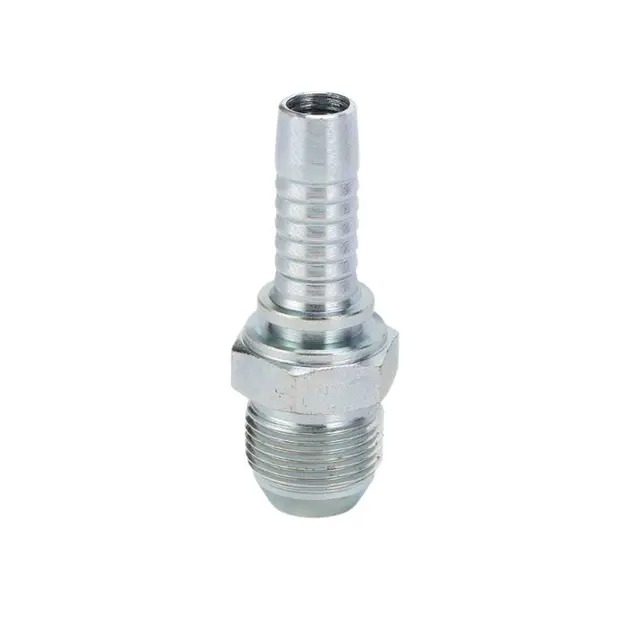
Crimp fittings are one of the most widely used hydraulic hose fittings in the industry. These fittings work by mechanically attaching the fitting to the hose using a crimping tool. The hose is placed inside the fitting, and a crimping machine compresses the fitting onto the hose, creating a tight, secure connection.
Reliable sealing: Crimp fittings are known for their excellent sealing capabilities, making them ideal for high-pressure systems.
Easy installation: The crimping process is quick and straightforward, saving time during assembly.
Durability: Once crimped, these fittings provide long-lasting, durable connections that are resistant to wear and tear.
Heavy machinery
Hydraulic presses
Industrial equipment
Crimp fittings are available in various materials, such as steel, stainless steel, and brass, to cater to different environmental conditions and custom hydraulic hose requirements.
Bite-type fittings are another common choice for hydraulic hose fittings. These fittings use a biting mechanism to grip the hose, creating a leak-proof seal. The biting action of the fitting digs into the hose’s outer surface, securing it tightly.
Pressure resistance: Bite-type fittings can withstand extremely high-pressure environments, making them perfect for demanding applications.
Versatility: They can be used with a wide variety of hoses, including those made of synthetic rubber, thermoplastic, or metal.
Leak prevention: These fittings are designed to prevent leaks, which is critical in many industrial systems.
Automotive systems
Agricultural equipment
Construction machinery
Bite-type fittings are typically used in systems where the hose is subjected to high vibrational forces or where space is limited. They offer a compact yet efficient sealing solution.
Push-on fittings are designed for easy installation, as they don’t require any special tools. These fittings are simply pushed onto the hose and lock into place, creating a secure seal.
Quick installation: As the name suggests, push-on fittings offer one of the fastest installation processes, making them ideal for applications that require frequent maintenance or quick repairs.
Cost-effective: These fittings are often more affordable than other types, making them a good choice for budget-conscious projects.
No clamps required: The fitting secures itself without the need for additional clamps, simplifying assembly.
Low-pressure hydraulic systems
Air conditioning systems
Fluid transfer systems
While push-on fittings are not suitable for high-pressure systems, they excel in low-pressure applications, especially when ease of installation and cost-effectiveness are the primary concerns.
Flared fittings consist of a tube with a flare at the end, which is connected to a matching fitting that has a corresponding flare seat. These fittings are used in systems where a durable, leak-resistant connection is required.
Strong and secure: Flared fittings provide a strong and tight seal that can handle both high-temperature and high-pressure conditions.
Easy to inspect: The flare design allows for visual inspection of the fitting, making it easier to detect potential issues such as cracks or wear.
Reusable: Flared fittings can be reused multiple times if the system is disassembled for maintenance or repair.
Automotive brake lines
Aerospace systems
Oil and gas pipelines
Flared fittings are often used in systems that demand high reliability and performance, especially in environments with fluctuating pressure or temperature extremes.
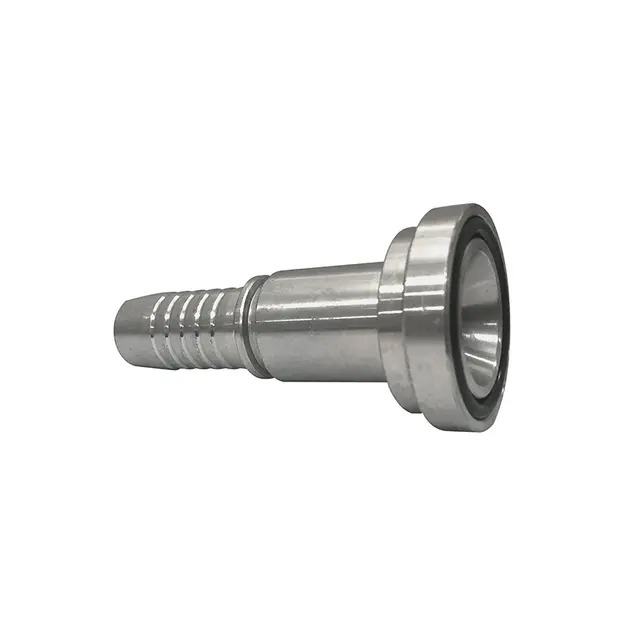
Compression fittings use a compression mechanism to secure the hose to the fitting. The fitting features a nut and a ferrule that compresses against the hose when tightened, creating a solid, leak-proof connection.
High sealing efficiency: These fittings provide a reliable seal that is resistant to vibration and thermal expansion, making them ideal for high-pressure applications.
Flexible: Compression fittings can be used with different types of tubes and hoses, making them versatile for various hydraulic systems.
Durable: The compression action ensures a long-lasting, durable connection that holds up under demanding conditions.
Marine systems
Industrial fluid systems
Airlines and pneumatic systems
Compression fittings are often the preferred choice when a high degree of flexibility is needed, especially in systems that experience significant movement or vibrations.
Quick connect fittings, also known as quick-disconnect fittings, are designed for fast and easy connection and disconnection of hydraulic hoses without the need for special tools. They are especially useful in situations where hoses need to be frequently disconnected or replaced.
Ease of use: These fittings can be quickly connected or disconnected with minimal effort, which reduces downtime in systems that require frequent maintenance.
Safety: Many quick-connect fittings come with built-in safety features to prevent accidental disconnections under pressure.
Reduced system contamination: By enabling quick disconnections, quick connect fittings help minimize the exposure of the hydraulic system to contaminants.
Mobile hydraulic equipment
Machine tools
Construction vehicles
Quick connect fittings are invaluable in industries where rapid hose changes or repairs are necessary, ensuring that operations can continue with minimal interruption.
O-ring face seal fittings use an O-ring as the sealing element to prevent leaks. The O-ring is placed on the flat face of the fitting, creating a tight seal when the fitting is torqued down.
Leak prevention: The O-ring provides an excellent seal, making these fittings ideal for systems that need to operate without any fluid leakage.
High-pressure capacity: These fittings are suitable for high-pressure applications due to their robust sealing mechanism.
Versatile: O-ring face seal fittings can be used with a wide range of hose materials, making them adaptable for various systems.
Heavy-duty equipment
Oil and gas pipelines
Fluid power systems
O-ring face seal fittings are especially popular in high-pressure hydraulic systems where leakage prevention is crucial to system efficiency and safety.
Selecting the right type of hydraulic hose fitting is vital to the performance, safety, and longevity of hydraulic systems. Each fitting type offers unique advantages that cater to specific operational requirements, whether that’s ease of installation, durability under pressure, or high-temperature resistance.
By understanding the characteristics of each fitting type, professionals can make informed decisions that enhance system performance, reduce maintenance costs, and prevent failure. From quick connect fittings that save time in mobile systems to compression fittings ideal for flexible operations, there’s a fitting for every need.
Q1: What is the best hydraulic hose fitting for high-pressure systems?
A1: For high-pressure systems, crimp fittings and O-ring face seal fittings are often the best options due to their reliable sealing properties and ability to withstand extreme conditions.
Q2: Can I use push-on fittings in high-pressure systems?
A2: No, push-on fittings are typically not suitable for high-pressure systems. They are more appropriate for low-pressure applications where ease of installation is a priority.
Q3: Are there specific fittings for high-temperature environments?
A3: Yes, flared fittings and O-ring face seal fittings are known for their ability to perform well in high-temperature environments, providing a secure and leak-proof connection under varying thermal conditions.


