



Contents
Introduction
Hydraulic systems are a vital part of machinery in industries like construction, agriculture, and manufacturing. A crucial component that ensures the efficiency and safety of these systems is the hydraulic hose fitting. These fittings are designed to connect hydraulic hoses to components such as pumps, valves, cylinders, and other equipment in a hydraulic system. The right fitting ensures fluid flow is uninterrupted and that high pressure and temperature conditions are safely managed.
In this guide, we’ll dive deep into hydraulic hose fittings, exploring their types, materials, how they work, and key considerations for choosing the right fitting. Whether you're a manufacturer, a professional in the hydraulic industry, or simply someone wanting to understand the critical role of these components, this guide will provide you with actionable insights.
Understanding Hydraulic Hose Fittings
What Are Hydraulic Hose Fittings?
Hydraulic hose fittings are components used to connect hydraulic hoses to different machinery or equipment in a hydraulic system. They are designed to secure hoses and ensure the tight, leak-free transfer of hydraulic fluid under high pressure. Hydraulic fittings come in a variety of types and sizes to accommodate different systems and pressures.
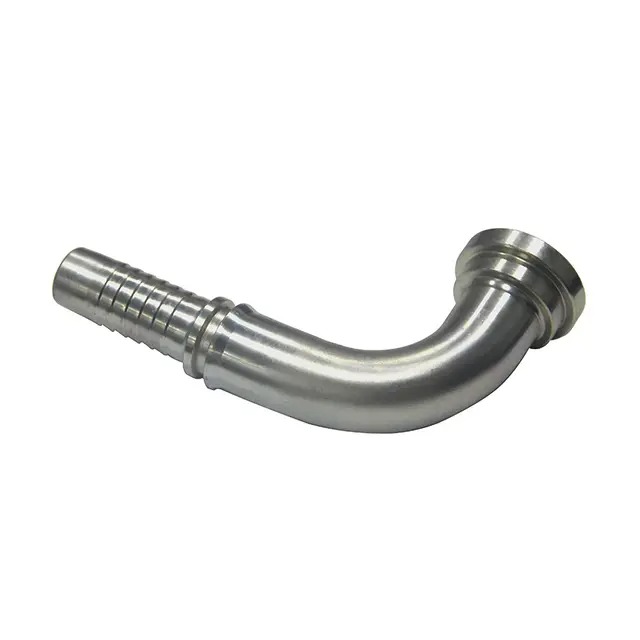
The primary function of these fittings is to ensure a proper seal to prevent fluid leakage, while also providing strength and durability to withstand the demanding conditions of hydraulic systems. These fittings come in different shapes, such as straight, elbow, and tee, each designed for specific routing and fitting requirements.
Key Components of Hydraulic Hose Fittings
Hydraulic hose fittings typically consist of several components:
Fitting Body: The main part that connects to the hose and other hydraulic system components.
Nut or Coupling: A component that tightens the fitting to ensure a secure seal.
Seal or O-ring: Prevents leaks by creating a tight seal between the fitting and the hose.
Insert or Barb: Holds the hose securely in place inside the fitting.
Understanding these components is crucial when selecting and installing hydraulic hose fittings. Each part plays a key role in preventing leaks, ensuring performance, and managing high-pressure conditions.
Types of Hydraulic Hose Fittings
Standard Hydraulic Hose Fittings
Standard hydraulic hose fittings are designed for general use in a variety of applications. These are typically found in most hydraulic systems and are available in several configurations to accommodate different hose types, sizes, and fluid requirements.
Some common types of standard hydraulic hose fittings include:
JIC Fittings (Joint Industrial Council): These are popular due to their reliability and ease of installation. They feature a 37-degree flare on both the fitting and the hose.
NPT Fittings (National Pipe Thread): Widely used in systems that require a leak-proof connection and are suitable for low-pressure applications.
BSP Fittings (British Standard Pipe): Used in both metric and imperial systems and widely adopted in Europe and Asia.
Specialized Hydraulic Hose Fittings
In addition to standard fittings, there are specialized hydraulic hose fittings designed for specific needs and environments. These fittings are often used in more demanding applications, such as high-pressure systems or systems exposed to extreme temperatures. Examples of specialized fittings include:
Quick Connect Fittings: These fittings allow for easy connection and disconnection without the need for tools, commonly used in mobile machinery and temporary setups.
High-Pressure Fittings: Designed for systems that operate at extreme pressure, these fittings are made from stronger materials to handle higher loads.
Custom Fittings: Tailored to meet the specific needs of a particular application, these are often used in industries where standard fittings do not suffice.
Materials Used in Hydraulic Hose Fittings
Common Materials for Hydraulic Hose Fittings
The choice of material for hydraulic hose fittings is crucial for ensuring performance, durability, and safety. Some common materials include:
Steel: The most commonly used material, known for its strength and corrosion resistance. It is ideal for high-pressure applications.
Stainless Steel: Known for superior corrosion resistance, stainless steel hydraulic hose fittings are often used in environments exposed to harsh chemicals or extreme weather conditions.
Brass: Often used in lower-pressure systems due to its ease of fabrication and corrosion resistance, though not suitable for extreme pressures.
Aluminum: Lightweight and resistant to corrosion, aluminum is used in applications where weight is a key consideration, though it is generally used for low to medium-pressure systems.
Choosing the Right Material
The material selection should be based on factors such as pressure rating, environmental exposure, temperature, and the fluid being transported. High-pressure hydraulic hose fittings often require materials like steel or stainless steel, while aluminum may be chosen for systems that do not face extreme pressures or harsh environments.
How Hydraulic Hose Fittings Work
Function and Application
Hydraulic hose fittings work by creating a secure connection between hoses and other components in a hydraulic system. When fluid is pumped through a hydraulic system, it is transported under high pressure to power various machines and equipment. The fittings ensure that this pressurized fluid remains contained, preventing leaks or bursts that could damage the system.
Hydraulic systems use a variety of fittings to handle different types of connections and fluid routes. Quick connect fittings are commonly used in mobile equipment where frequent disconnections are required, while custom fittings might be used in specialized machinery to meet specific design or operational requirements.
Importance of Proper Fitting for System Efficiency
Proper installation and selection of hydraulic hose fittings are crucial for the efficiency of a hydraulic system. A poorly installed fitting can lead to leaks, decreased performance, or even system failure. Additionally, selecting the wrong material or type of fitting can result in damage to the hose or fittings, leading to costly repairs or downtime.
Factors to Consider When Choosing Hydraulic Hose Fittings
Pressure and Temperature Ratings
The pressure and temperature ratings of hydraulic hose fittings are critical factors in selecting the right fitting. Fittings should be chosen based on the maximum pressure that the system will experience, as well as the operating temperature. High-pressure fittings are designed to withstand intense pressures, while fittings rated for high temperatures are necessary when working with fluid systems exposed to extreme heat.
Compatibility and Customization
Compatibility with other components is also an important consideration. For example, the fitting needs to match the size and type of hose being used, and it must be compatible with the fluid type to prevent degradation or failure. In some cases, custom hydraulic hose fittings may be needed to meet the unique requirements of a specific application.
Common Issues with Hydraulic Hose Fittings
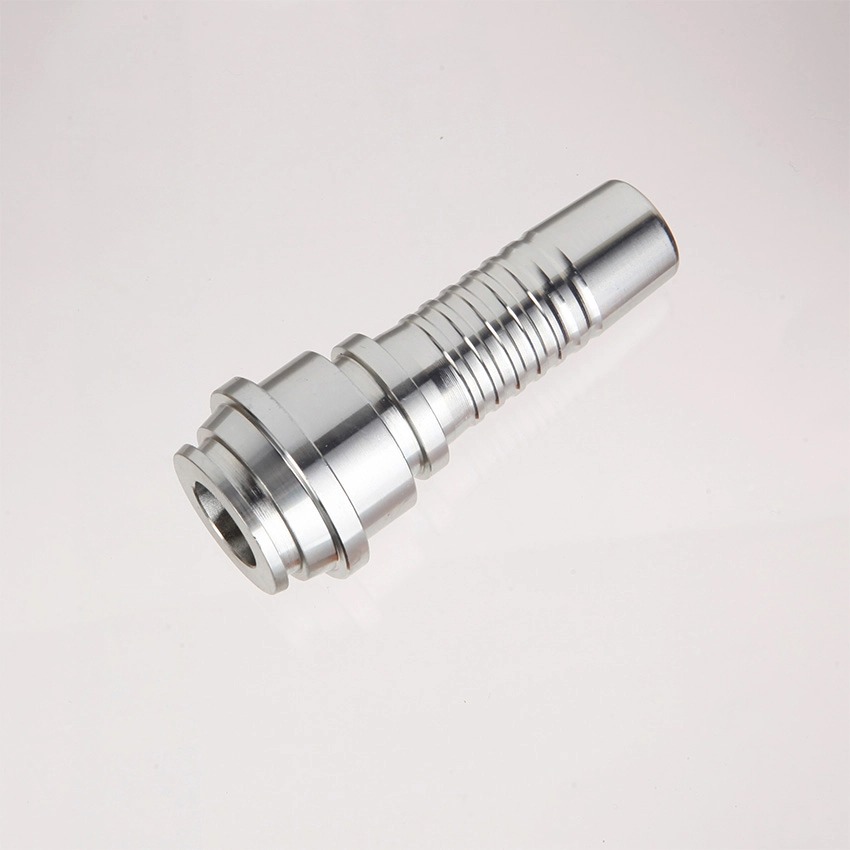
Leaks and Fittings Failure:Leaks are one of the most common issues with hydraulic hose fittings. These can occur due to improper installation, incorrect fitting sizes, or wear and tear over time. To prevent this, regular maintenance and inspection of fittings are essential.
How to Prevent Hydraulic Fitting Problems:To avoid issues with hydraulic hose fittings, ensure that the fittings are properly installed, regularly inspected, and replaced as needed. Additionally, using the correct fitting materials for the specific application can significantly reduce the likelihood of failure.
Maintaining Hydraulic Hose Fittings
Maintenance Tips
Proper maintenance of hydraulic hose fittings involves regularly checking for signs of wear or leaks and replacing any damaged fittings promptly. Cleaning fittings and hoses to remove debris can also help extend their life.
Best Practices for Longevity and Reliability
Ensure proper installation and torque when securing fittings.
Use the correct size and type of fittings for each application.
Regularly inspect for signs of leaks, corrosion, or wear.
Clean fittings and hoses regularly to avoid contamination.
Conclusion
In conclusion, hydraulic hose fittings are essential components in any hydraulic system, ensuring the safe and efficient transfer of hydraulic fluid. Selecting the right type and material of fitting, understanding their function, and maintaining them properly can drastically improve the performance and longevity of a hydraulic system. Whether you are a manufacturer, professional, or end user, understanding these critical aspects is key to ensuring your system operates at its best.
FAQ
1.What is the difference between standard and custom hydraulic hose fittings?
Standard fittings are designed for general applications, while custom fittings are tailored for specific systems or unique operational needs.
2.How do I know which hydraulic hose fitting is suitable for my system?
Consider factors like pressure rating, temperature, and the type of fluid used in the system. Ensure compatibility with the hose and other components.
3.Can hydraulic hose fittings be reused?
Hydraulic hose fittings can be reused if they are in good condition. However, it is important to inspect them regularly for signs of wear or damage.
4.Why are leaks common in hydraulic hose fittings?
Leaks can occur due to poor installation, incorrect fitting size, or wear and tear. Regular maintenance and proper installation can help prevent this issue.
5.How often should hydraulic hose fittings be replaced?
Replace hydraulic hose fittings as soon as they show signs of damage, wear, or corrosion. Regular inspections will help determine when replacement is necessary.


